Ceramics
Tea bowls, vases and dinner services from kilns in Bizen, Hagi, Shigaraki, Mashiko and Arita.


JAPANSOLVED EDITORIAL
Private execution, advisory, and coordination for clients who require clarity, discretion, and structure in Japan.
Japan's master potters, ironworkers, lacquer artists and weavers take commissions, but rarely from strangers, and almost never in English. Our team introduces you properly, explains what you hope for, manages the making and brings the finished piece home to you.
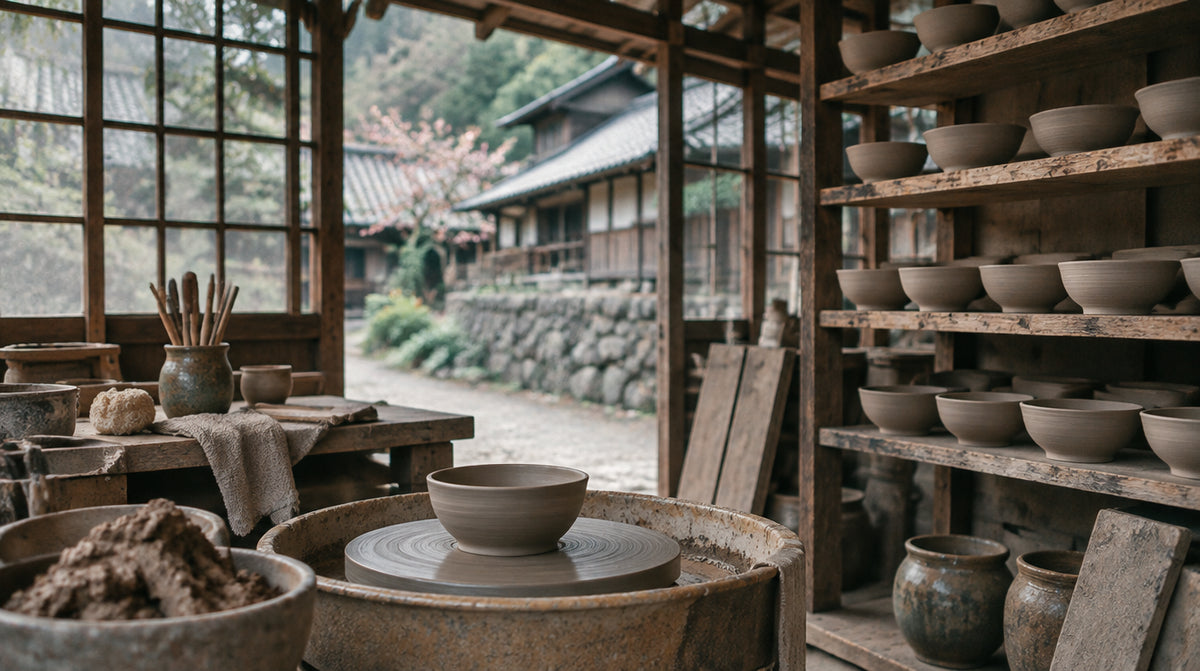
Each maker has their own way of working. We find the right one for your piece.
Tea bowls, vases and dinner services from kilns in Bizen, Hagi, Shigaraki, Mashiko and Arita.
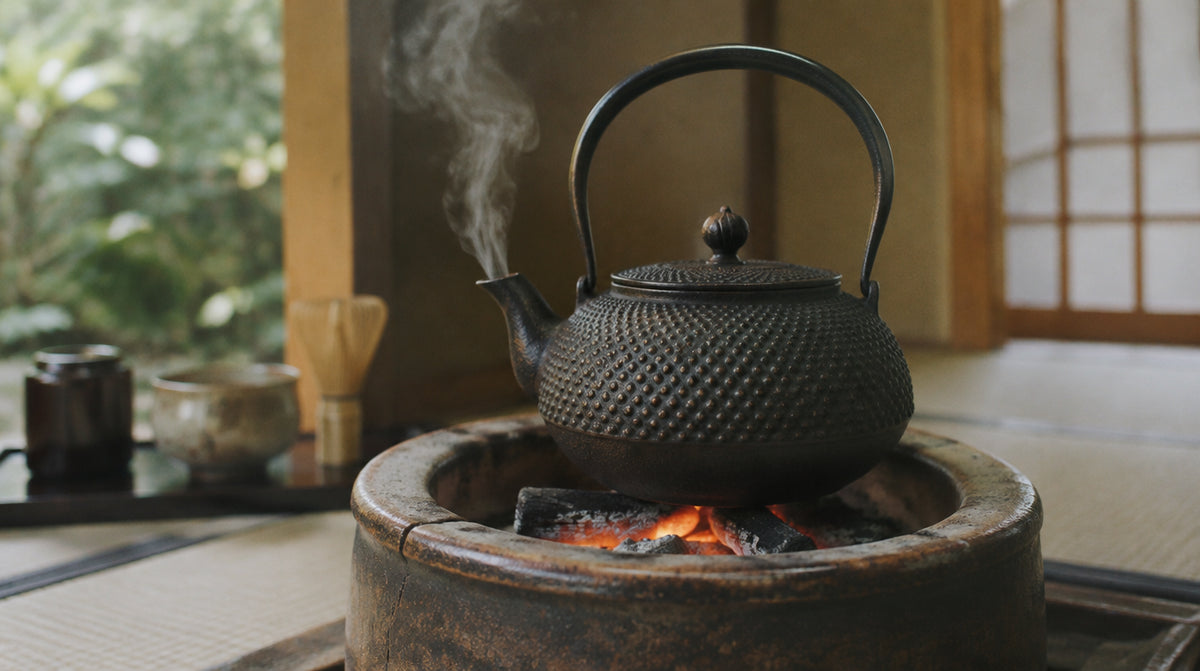
Nanbu iron kettles, bronze vases and hand-raised copper from family foundries and studios.
Wajima and Kyoto lacquer boxes, trays and maki-e pieces made over months.
Indigo, Nishijin weaving and kimono-cloth pieces made to your colours and measure.
Hinoki baths, furniture and joinery for homes abroad, made and fitted by Japanese crews.
Ginza bespoke suits and shirts, maki-e fountain pens and pens fitted to your hand.
You approve the design, price and timing in writing before any work starts.
Tell us what you hope for, where it will live and your budget. The US$450 fee opens your case.
We approach makers whose work fits, in Japanese, and share their replies, examples and prices.
We introduce you by video or at the workshop, translate the conversation and agree the design, price and timetable.
We keep in touch with the maker, send you progress photographs and handle any questions along the way.
We collect, inspect and photograph the finished piece, and ship it insured with its box and papers.
We never mark up the piece. You see the maker's own price and receipt.
Japanese masters care who they make for. A commission is a relationship, not an order. We prepare you for the conversation, explain the maker's way of working, and make sure you are understood.
Tell us about the piece. You pay the US$450 fee at checkout, and we reply within two business days with first thoughts on makers.
Most masters accept commissions from people who are properly introduced and who respect their way of working. We make that introduction and prepare you for it.
From a few months for a set of ceramics to a year or more for lacquer or a hinoki bath. You receive the maker's own estimate before you approve.
No. Most commissions are agreed by video, with a team member at the workshop. If you can visit, it often makes the piece more personal, and we will arrange it.
No. The maker's price is passed on at cost. Our income is the introduction fee and the service fee on your quote.
Yes. Large pieces travel by fine-art freight or sea freight, quoted at cost. For hinoki baths and joinery, the maker can often send a crew to fit them.
We send progress photographs at each stage so there are no surprises. Handmade work varies by nature, and the maker's terms on changes are agreed in writing before work starts.
Yes. Many clients commission pieces for weddings, anniversaries and business gifts. We can add an engraved box or a letter from the maker.
Yes. Ginza bespoke tailors take measurements in person and make several fittings. We arrange the fittings around your trips to Tokyo.
It is credited to the introduction fee if you go ahead within 14 days. If we cannot find a suitable maker, you receive a written report and we refund it in full.
Yes. We work with interior designers and architects on larger projects, with one plan and one fee schedule.